
How to Optimise Your Website for Search Engines
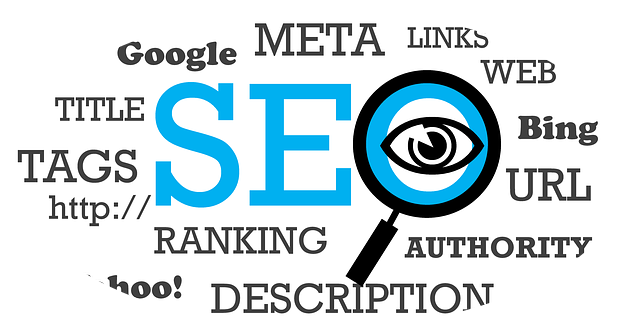
Website optimisation is the process of improving a site’s content, structure and technical foundations so that people can use it easily and search engines can understand its pages. It is not a single adjustment or a guaranteed route to the top of Google. Effective SEO combines useful information, sound website organisation and ongoing measurement.
Start with the purpose of each page
Every important page should have a clear purpose and meet a particular visitor need. A service page should explain the service, its benefits, who it is for and how to enquire. An information article should answer a specific question in enough detail to be genuinely helpful. Avoid publishing several pages that target the same subject with almost identical content.
Use keywords naturally
Keyword research helps you understand the words and questions people use when looking for a product or service. Choose a main topic for each page and include relevant wording naturally in the title, headings and copy. Related terms can help provide context, but there is no benefit in repeating a phrase unnaturally. Write for people first.
Review titles, headings and descriptions
Give each page a descriptive title that reflects its content. Use a logical heading structure, with one clear main page heading followed by useful subheadings. A meta description should summarise the page accurately and encourage an appropriate click; it is not a substitute for useful page content.
Build helpful internal links
Link related pages where doing so helps visitors continue their journey or understand a topic. Use descriptive link text that tells people what they will find. Avoid adding links simply to increase their number, and check that important pages are not isolated from the rest of the site.
Improve technical usability
Make sure the website is mobile-friendly, secure and straightforward to navigate. Review loading performance, image sizes, indexing settings, canonical URLs and sitemap coverage. Use descriptive alternative text for informative images; do not place keyword lists in image descriptions or add alt text to headings and unrelated page elements.
Monitor performance
Google Search Console can show how pages appear in search and highlight some indexing issues. Website analytics can help assess engagement and enquiries. Use the information to identify pages that need better answers, clearer navigation or technical attention. SEO is an ongoing process, so review changes over time rather than expecting immediate results.
Need help optimising your website?
CJ SEO Services provides SEO support focused on the needs of each website and business. Contact us to discuss content improvements, technical SEO or a wider optimisation plan.